
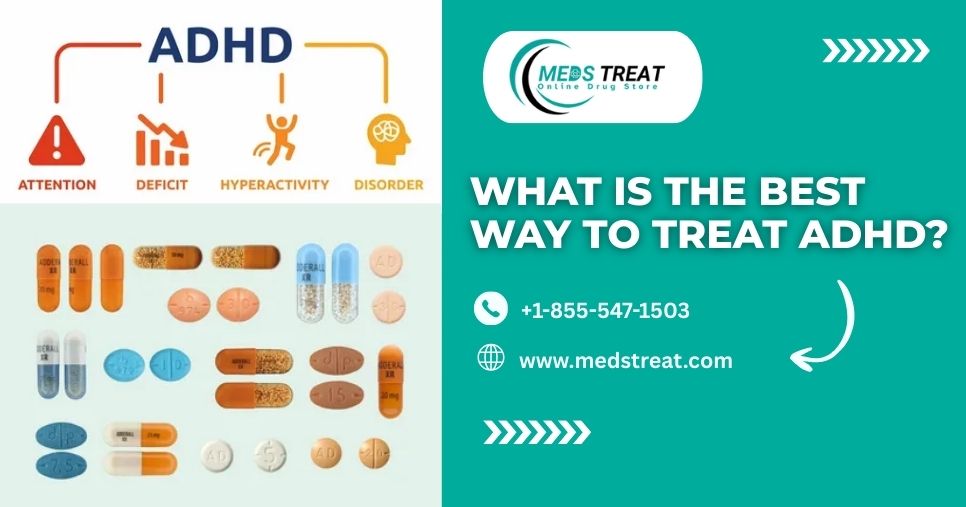
Attention-Deficit/Hyperactivity Disorder (ADHD) affects both children and adults, influencing focus, behavior, emotional regulation, and daily functioning. If you or someone close to you is navigating this condition, you may be asking a very important question: What is the best way to treat ADHD?
Understanding ADHD: Symptoms, Causes, and Treatment Options
To understand treatment, we must first understand ADHD itself. ADHD is a neurodevelopmental disorder that typically presents with inattention, hyperactivity, impulsivity, or a combination of these symptoms. While many people associate ADHD with childhood, it often continues into adulthood.
The causes of ADHD are complex. Genetics play a significant role, while brain chemistry, early development, and environmental factors also contribute. Because ADHD affects multiple areas of life, treatment must address not just symptoms but also daily functioning, emotional well-being, and long-term success.
What Is the Best Way to Treat ADHD?
So, What Is the Best Way to Treat ADHD? Evidence-Based Options Explained in simple terms involve a multimodal approach. Medical research consistently shows that combining behavioral strategies, education, lifestyle changes, and—when needed—medication delivers the best outcomes.
Rather than focusing solely on reducing symptoms, modern ADHD treatment aims to improve quality of life. This includes better academic or work performance, healthier relationships, and improved self-esteem. Treatment works best when it evolves over time and adapts to changing needs.
What Is the Most Effective Treatment for ADHD According to Research?
When asking what is the most effective treatment for ADHD, research points to a combination of approaches rather than a single solution. Studies show that behavioral therapy paired with medication (when appropriate) often produces the strongest and most consistent results.
That said, effectiveness depends heavily on the individual. Some people respond well to therapy alone, while others benefit significantly from medication support. The key is personalization—choosing treatments that align with symptoms, age, and daily challenges.
What Is the Best Way to Treat ADHD in Children?
Parents often wonder what is the best way to treat ADHD in children, especially when symptoms interfere with school and social development. For young children, experts typically recommend behavioral therapy as the first-line treatment.
Behavioral interventions help children learn structure, routines, and emotional control. These strategies reduce disruptive behaviors while building long-term skills. In many cases, parent training is just as important as therapy itself, ensuring consistency at home and school.
Behavioral Therapy and Parent Training: Building Strong Foundations
Behavioral therapy focuses on teaching children how to manage impulses, follow instructions, and develop positive habits. Techniques such as reward systems, clear expectations, and structured routines help children succeed in daily life.
Parent training empowers caregivers with practical tools to support their child effectively. When parents understand ADHD and respond consistently, children experience less frustration and more confidence. Over time, this approach can significantly reduce symptom severity.
What Is the Best Way to Treat ADHD Without Medication?
Many individuals ask what is the best way to treat ADHD without medication, either due to personal preference or medical reasons. Fortunately, non-medication approaches can be highly effective, especially for mild to moderate ADHD.
Cognitive Behavioral Therapy (CBT), ADHD coaching, mindfulness training, and educational accommodations help individuals develop focus, organization, and emotional regulation. These methods work best when practiced consistently and tailored to specific challenges.
Treat ADHD Without Medication: Adults and Long-Term Strategies
For adults, the goal is often to treat ADHD without medication while managing work, relationships, and responsibilities. Adults benefit greatly from structured systems, such as digital planners, reminders, and task prioritization tools.
Therapy and coaching also play a critical role. They help adults reframe negative self-beliefs, manage stress, and build sustainable routines. Over time, these skills reduce overwhelm and improve productivity—even without prescription drugs.
Lifestyle Changes That Support ADHD Treatment
Lifestyle changes are a powerful yet often overlooked part of ADHD treatment. Regular physical activity boosts dopamine levels, which directly support focus and motivation. Even short daily exercise routines can make a noticeable difference.
Sleep quality, nutrition, and screen-time management also matter. Balanced meals, consistent sleep schedules, and reduced digital distractions help stabilize attention and mood. While lifestyle changes alone may not replace therapy or medication, they significantly enhance overall treatment effectiveness.
When Medication Is Recommended for ADHD Treatment
Medication is often recommended when ADHD symptoms significantly interfere with daily life. Stimulant and non-stimulant medications have strong scientific backing and can improve attention, impulse control, and emotional regulation.
However, medication is not a cure. It works best as part of a broader treatment plan that includes behavioral strategies and regular monitoring. Decisions about medication should always involve a qualified healthcare professional who can tailor treatment safely.
Choosing the Right ADHD Treatment Plan for Yourself or Your Child
Choosing the right treatment plan requires collaboration, patience, and flexibility. ADHD is a lifelong condition, but its impact can change over time. What works at one stage of life may need adjustment later.
The most successful treatment plans are proactive, personalized, and evidence-based. By staying informed and open to adjustments, individuals and families can achieve meaningful, lasting improvements.
Frequently Asked Questions (FAQs)
1. What is the best way to treat ADHD overall?
The best approach combines behavioral therapy, lifestyle changes, and medication when symptoms are severe.
2. What is the most effective treatment for ADHD in children?
Behavioral therapy and parent training are highly effective, especially for younger children.
3. What is the best way to treat ADHD without medication?
Structured routines, therapy, coaching, and lifestyle changes can successfully reduce symptoms.
4. Can adults treat ADHD without medication?
Yes. Many adults manage ADHD effectively using CBT, organizational tools, and coaching.
5. What is the best way to treat ADHD overall?
The best approach combines behavioral therapy, lifestyle changes, and medication when necessary.
6. What is the most effective treatment for ADHD in children?
Behavioral therapy and parent training are highly effective, especially for younger children.
7. What is the best way to treat ADHD without medication?
Structured routines, therapy, coaching, and lifestyle changes can successfully reduce symptoms.
8. Can adults treat ADHD without medication?
Yes. Many adults manage ADHD effectively using coaching, CBT, and productivity systems.